
Vital Guide to School Lunches
Read practical nutrition tips, recipes, and evidence-based guidance from Vital Roots Nutrition to support everyday food decisions for you and your family.
September 1, 2023



As the new school year approaches, we know you have a lot on your plate. From organizing schedules to ensuring your child has everything they need, life can get a bit hectic. There’s one thing we can make easier for you: packing school lunches. Welcome to our guide on creating delicious, wholesome, and kid-approved school lunches.
Children spend a large portion of their day at school. What we pack is important because:
- The foods we pack will be the source of fuel for our kids to learn and play throughout the school day.
- School lunches and snacks provide essential vitamins and minerals that our kids need to grow and develop.
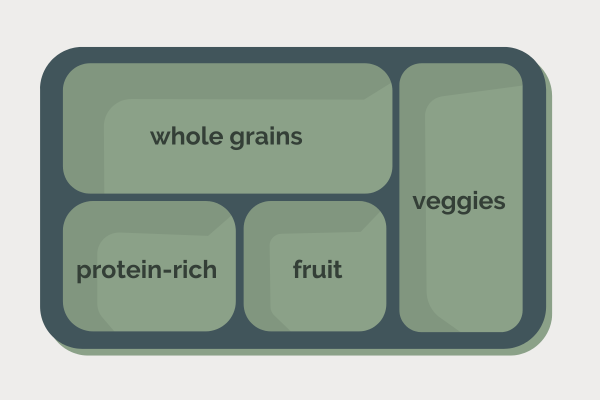
When planning what to pack, think of the lunchbox as having four parts to fill:
- One for protein-rich foods
- One for energy-rich foods or whole grains
- One for vegetables
- One for fruit
Lunchbox Ideas
Protein-Rich Food Ideas
- Leftover, cut-up, ground, or sliced meat, chicken, turkey, or fish
- Hard-boiled egg
- Beans or lentils
- Seeds or seed butter, such as WOW butter or sunflower seed butter
- Milk
- Yogurt
- Homemade protein balls
- Cheese slices, cottage cheese, or cheese strings
- Tofu or tempeh
- Roasted chickpeas
- Hummus
Energy-Rich and Whole-Grain Ideas
- Bread, pita, tortilla, naan, or bannock
- Pasta
- Crackers
- Energy balls made with oats
- Homemade muffins
- Rice, quinoa, barley, or couscous
Fruit Ideas
- Berries, such as blueberries, raspberries, strawberries, or blackberries
- Apple or pear
- Banana
- Orange or clementine
- Plum
- Peach
- Kiwi
- Grapes
- Melon, such as watermelon, honeydew, or cantaloupe
- Fruit sauce, such as applesauce
- Pineapple
Vegetable Ideas
- Carrot sticks
- Cucumber
- Snap peas
- Radishes
- Peppers
- Celery
- Leftover cooked vegetables
- Salad greens
- Tomatoes
- Vegetable soup
- Vegetable sauce, such as tomato sauce
Something Just Because
- Homemade cookie
- A few gummies
- Something special that your child enjoys
What to Pack for Kids to Drink
- Ideally, pack a reusable water bottle that can be refilled throughout the day.
- Milk is another great option. When offering milk, consider that two cups should be the maximum amount your child consumes in a day.
- Offer juice in moderation. One cup of juice should be the maximum offered over a whole day of eating.
- Be cautious with sports drinks, electrolyte drinks, and energy drinks, even if they are marketed to kids. Many of these drinks contain very high levels of micronutrients that can be harmful when consumed in excess. Some also contain high levels of added sugar or caffeine.
How to Choose Healthy Packaged Snacks
- Start by considering how the snack will fit into a whole day of eating.
- Ask yourself which category it fits into:
- Protein-rich foods
- Energy-rich or whole-grain foods
- Vegetables
- Fruit
- Just because or other
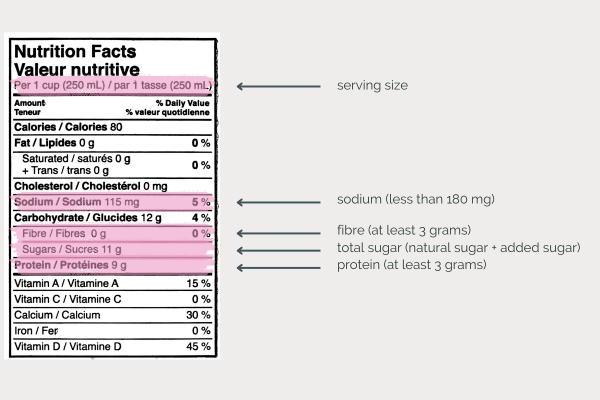
- An ideal packaged snack would meet the following criteria:
- A simple ingredient list
- Little added sugar
- Less than 6 grams of total sugar per serving
- Less than 180 mg of sodium per serving
- At least 3 grams of protein per serving
- At least 3 grams of fibre per serving
By considering how the snack will fit into a whole day of eating, we can compromise on some of these points and still make it fit.
- If the snack is low in protein, consider packing it with a protein-rich food.
- If the snack is low in fibre, consider packing it with a serving of fruit or vegetables.
- If the snack is higher in added sugar or total sugar, consider adjusting the other foods in the packed lunch to include less sugar.
Packaged Snack Ideas
- Hummus
- Greek yogurt cups
- Cheese strings
- Whole-grain crackers
- Bean or lentil crackers
- Kale chips
- Roasted chickpeas
- Seeds, such as pumpkin or sunflower seeds
- Lower-sugar granola bars
- Unsweetened fruit or vegetable sauces and pouches
- Trail mix
- Unsweetened raisins
Planning School Lunches
- Planning school lunches ahead of time can help save time and money.
- Ideas and tips for planning:
- On the weekend, plan school lunches with your kids for the week ahead and involve them in the planning process.
- Stock up on healthy, on-the-go snacks that can be added to their main meal.
- Think about what you will be making for dinner during the week and incorporate leftovers where possible.
- Involve your kids in packing lunches and ask for feedback:
- Allowing kids to provide feedback and participate in planning and packing can reduce the amount of food that comes home uneaten and encourage them to try new foods.
- If food is coming home unfinished or untouched, ask your kids when they eat each item and why they avoid others. Common reasons food goes uneaten include:
- They do not have enough time to eat.
- They eat their lunch during snack time.
- They have trouble opening the packaging.
- The food is too warm or too cold by the time they eat it.
If lunch regularly comes home untouched or your child has a very limited range of accepted foods, pediatric dietitian support can help you identify practical strategies based on your child’s needs and routines.
Packing Tips
- Pack school lunches in a washable, insulated box or bag to keep containers cold and together.
- Use leak-proof containers or compartments to store different foods.
- Pack a set of reusable cutlery that you do not mind losing.
- If you have time, pack the cold components of the lunch the night before so they are already chilled in the morning.
- Use two ice packs, with one on the bottom of the lunchbox or bag and one on top.
- Plan to pack warm foods in the morning. Before adding warmed food, pour boiling water into the thermos and let it sit for a few minutes. Empty the water before adding the food. This will help the thermos retain heat until lunchtime.
- Practise opening the different lunchbox components at home before sending them to school. Review what your child should do with each type of packaging when they are finished.
With our guide in hand, you’re ready to conquer school lunch preparation like a pro. By focusing on whole, nutrient-rich foods, making smart choices with packaged snacks, and involving your child in the process, you can ensure that their lunchbox is not just nutritious but also a delightful part of their day. Remember, school lunches are more than just food; they’re an essential part of your child’s daily adventure. Happy packing!
Get In Touch
Fill out the form below, and we’ll follow up with you as soon as possible.
READY FOR PERSONALIZED SUPPORT?
Need Guidance Beyond The Article?
Our resources are a helpful starting point, but personalized nutrition counselling can give you support tailored to your health, goals, family, and everyday routines.