
GLP-1 Dietitian
Personalized nutrition support while taking a GLP-1 or related incretin medication, with guidance for protein, muscle preservation, appetite changes, digestive symptoms, hydration, and long-term eating habits.
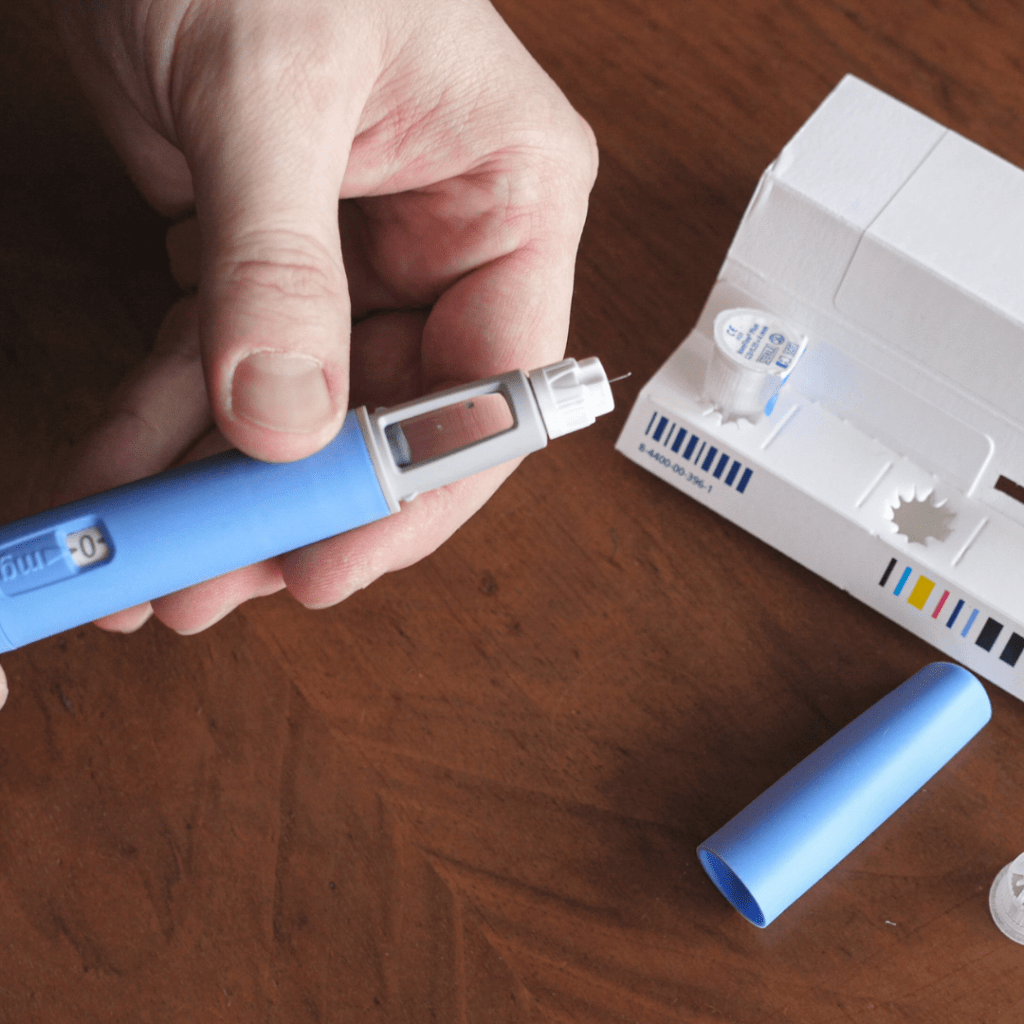
NUTRITION SUPPORT WHILE TAKING GLP-1 MEDICATIONS
Support Your Nutrition While Your Appetite Changes
GLP-1 and related incretin medications can significantly change appetite, fullness, food intake, and digestion. For some people, eating less feels straightforward. For others, low appetite, nausea, constipation, reflux, or difficulty eating enough protein can make it harder to meet nutritional needs.
A GLP-1 dietitian can help you build an eating pattern that supports your health while you are taking medications such as semaglutide or tirzepatide. Nutrition counselling can focus on protein, muscle preservation, hydration, fibre, micronutrient adequacy, meal structure, digestive symptoms, and sustainable habits.
Vital Roots provides individualized adult nutrition counselling rather than a restrictive GLP-1 diet plan. For broader evidence-based obesity care recommendations, see the Obesity Canada Clinical Practice Guidelines.
PERSONALIZED GLP-1 NUTRITION SUPPORT
Eat Enough of What Matters
When appetite is significantly reduced, nutrition quality becomes even more important. Work with a Registered Dietitian to build meals and snacks around protein, nutrients, hydration, digestive comfort, and your long-term health goals.
Appointments are available in person in Sault Ste. Marie and virtually across Ontario.
WHO WE HELP
When Can a GLP-1 Dietitian Help?
Nutrition counselling can be helpful at the beginning of treatment, after a dose change, or any time eating becomes difficult to manage.
- Your appetite has decreased and you are worried that you are not eating enough.
- You are struggling to meet your protein needs or want to support muscle mass during weight loss.
- Nausea, constipation, diarrhea, reflux, or early fullness is affecting what you can eat.
- You want practical meal and snack ideas for days when appetite is low.
- You are concerned about hydration, fibre, vitamins, minerals, or overall nutrient intake.
- You are using a GLP-1 medication for diabetes and want nutrition support for blood sugar management.
- You want to build habits that can support your health beyond the medication itself.
A Registered Dietitian can work alongside your prescribing clinician. Medication choice, dosing, contraindications, and medication-related medical concerns should be discussed directly with the healthcare professional managing your prescription.

HOW WE CAN HELP
Nutrition Support for GLP-1 Therapy
Your nutrition plan should reflect your appetite, health history, medication tolerance, food preferences, and goals rather than relying on a generic GLP-1 diet.
Protein & Muscle Support
Build meals and snacks around adequate protein and overall nutrition to help support lean mass and physical function during significant weight change.
Digestive Symptom Support
Adjust food choices, meal size, timing, fibre, fluids, and eating patterns when nausea, constipation, diarrhea, reflux, or early fullness makes eating uncomfortable.
Nutrient & Hydration Support
Prioritize nutrient-dense foods and fluids when total intake is lower, with individualized attention to vitamins, minerals, fibre, and hydration.
Sustainable Eating Habits
Build routines that support your health beyond short-term weight change, including balanced meals, flexible food choices, planning, and confidence with eating.
HOW COUNSELLING WORKS
Nutrition Care Built Around Your Treatment
1. Review what has changed.
Your dietitian will ask about your medication, appetite, symptoms, eating pattern, weight history, health conditions, laboratory results, activity, food preferences, and goals.
2. Identify nutritional priorities.
We look at protein, overall intake, hydration, fibre, micronutrients, digestive symptoms, blood sugar, and other concerns relevant to you.
3. Build a realistic eating plan.
You leave with practical meal and snack strategies that work even when appetite is lower or portions are smaller.
4. Adjust as treatment changes.
Follow-up visits can help as appetite, medication tolerance, activity, weight, or health goals change over time.

OUR APPROACH
Health First, Not Just the Number on the Scale
GLP-1 nutrition support is about more than eating as little as possible. Significant appetite suppression can make it easy to unintentionally fall short on protein, fibre, fluids, vitamins, minerals, and overall energy.
Our approach focuses on protecting nutrition quality, maintaining strength and function, managing symptoms, and helping you build an eating pattern that can support your health over time.
- Prioritize protein and nutrient-dense foods when appetite is lower.
- Use smaller meals or snacks when large portions feel uncomfortable.
- Support hydration and fibre intake while considering digestive tolerance.
- Pair nutrition with resistance and strength-based activity when appropriate.
- Monitor for signs that reduced intake may be affecting nutrition or energy.
- Build sustainable habits instead of relying on rigid food rules.
PROTEIN & LEAN MASS
Support Muscle During Weight Loss
When body weight decreases, some lean tissue can be lost along with body fat. Research on GLP-1 and related incretin therapies has increased attention on preserving muscle, strength, and physical function during significant weight loss.
Recent evidence supports combining adequate protein intake with resistance exercise and overall nutrient adequacy to help preserve lean mass. The amount of protein that is appropriate for you depends on factors such as body size, age, activity, kidney health, food intake, and medical history, so there is no single target that is right for everyone.
A Registered Dietitian can help you distribute protein throughout the day and find realistic foods that work with a smaller appetite. A recent review of lean-mass preservation during GLP-1 treatment emphasizes food-first nutrition, adequate protein, resistance exercise, and monitoring of nutritional adequacy.
GLP-1 DIETITIAN FAQS
Common Questions About GLP-1 Nutrition
Answers to common questions about nutrition while taking GLP-1 medications, protein, muscle preservation, digestive symptoms, Ozempic nutrition, virtual care, and insurance.
What does a GLP-1 dietitian help with?
A GLP-1 dietitian can help with protein intake, nutrient adequacy, hydration, fibre, constipation, nausea, reflux, low appetite, meal planning, blood sugar management, muscle preservation, and developing sustainable eating habits while you are taking medication.
Can a dietitian help if I am taking Ozempic, Wegovy, or Mounjaro?
Yes. Nutrition counselling can support people taking GLP-1 receptor agonists and related incretin medications such as semaglutide or tirzepatide. Brand names can include Ozempic, Wegovy, Mounjaro, and others depending on the medication and indication. Your dietitian focuses on nutrition and eating-related concerns; prescribing, dose changes, and medication decisions remain with your physician, nurse practitioner, pharmacist, or other prescribing clinician.
For current medication-specific information, use the Health Canada Drug Product Database or speak with your prescriber or pharmacist.
How much protein should I eat while taking a GLP-1 medication?
Protein needs vary based on age, body size, activity, health conditions, kidney function, total food intake, and other factors. There is not one universal GLP-1 protein target. A Registered Dietitian can calculate an appropriate range for you and help spread protein across meals and snacks in portions that are comfortable to eat.
Do GLP-1 medications cause muscle loss?
Some lean tissue is commonly lost during substantial weight loss, whether weight loss occurs through medication or lifestyle intervention. Current research suggests that adequate protein, resistance exercise, overall nutrition, and monitoring can help support muscle and physical function. The goal is not simply to prevent every change in lean mass, but to support strength, function, and good nutritional status throughout treatment.
What should I eat if GLP-1 medication makes me nauseous?
Smaller meals, slower eating, simple foods, adequate fluids, and adjusting meal fat or portion size may be helpful for some people, but tolerance varies. A dietitian can help identify foods that work for you while protecting protein and nutrient intake. Persistent, severe, or worsening nausea or vomiting should be discussed with your prescribing clinician.
Can a dietitian help with constipation while taking a GLP-1?
Yes. Reduced food intake can also reduce fibre and fluid intake, while the medication itself may affect gastrointestinal function. A dietitian can help you adjust fluids, fibre, food choices, meal patterns, and activity while considering your individual tolerance. Severe or persistent constipation, significant abdominal pain, or other concerning symptoms should be assessed medically.
Do you offer virtual GLP-1 dietitian appointments across Ontario?
Yes. Vital Roots provides virtual adult nutrition counselling across Ontario as well as in-person appointments in Sault Ste. Marie. Learn more about our online dietitian services in Ontario.
Are GLP-1 dietitian appointments covered by insurance?
Many extended health benefit plans include Registered Dietitian services, although coverage varies by policy. Vital Roots offers direct billing to many plans where available. You can check your insurance coverage before booking.
BOOK GLP-1 NUTRITION SUPPORT
Get More From Your Nutrition, Even With a Smaller Appetite
Get personalized nutrition support for protein, muscle preservation, digestive symptoms, hydration, nutrient intake, meal planning, and sustainable eating while taking a GLP-1 medication. Book in Sault Ste. Marie or connect virtually from anywhere in Ontario.